
Quran’s Stand On Islamic Sufism And Christian Monasticism
True Sufis
And Christian Mystics Are Rewarded By God For The Purity Of Their Purpose
Main
Points:
1. Quran asks
Muslims not to criticize Sufis.
2. Quran says
that a section of Christian monastics were also on the right path.
3. God judges
His slaves only on the basis of their deeds.
-----
By
New Age Islam Staff Writer
4 December
2021
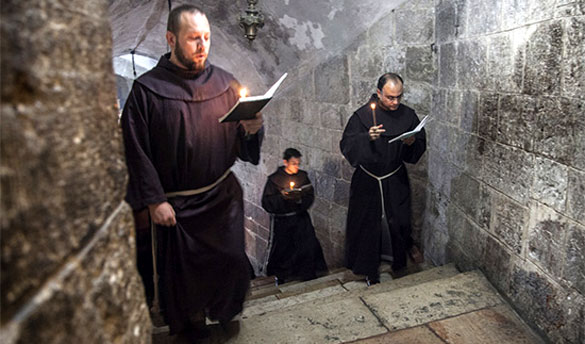
Christian monasticism
----
A major section of Muslim scholars are of
the view that mysticism or Sufism is not approved by Islam as it practices
seclusion and withdrawal from the society and encourages worship in solitude
without contributing to the welfare of the society and helping the downtrodden
and suppressed people of the
society. They rightly say that
the Quran envisages a well-knit society where every individual is morally and
legally attached to the well-being of other individuals. Every individual has a
moral and communal duty towards other individuals and is advised to serve the
needy and the poor. Those who withdraw from the society only to worship God and
to attain His closeness and pleasure are not the right kind of Muslims in the
Quran.
However, in some other verses, the holy
Quran also speaks in favour of those Muslims who remember the name of God
morning and evening and spend their most part of the day and night in Allah’s
remembrance and prayers. Their purpose is to attain spiritual attainment and
God’s pleasure. They do not hanker after material wealth and luxuries of life
and are content with what God has provided them. In other words, they also
follow the verses that enjoin on Muslims to remain content with whatever they
have got and not have caprice, lust, jealousy which are called the diseases of
the heart in the Quran.
Therefore, the Quran asks Muslims not to
speak ill and disturb these people as they do not ask for anything from the
Muslims and are pleased in the remembrance of God:
˹O Prophet!˺ Do not dismiss those ˹poor
believers˺ who invoke
their Lord morning and evening, seeking His pleasure.1 You are not accountable
for them whatsoever, nor are they accountable for you. So do not dismiss them,
or you will be one of the wrongdoers.

Islamic Sufism
-----
But Islamic scholars like Javed Ahmadi
Ghamidi seem to believe that the above quoted verse is not about sufis. He
believes that Islam does not support sufis.He is of the view that Sufism is a
parallel religion and not integral to Islam.
He says that Sufism is a parallel religion
and not integral to Islam. He believes that Sufism is a deviation from the main
Islamic teachings. Though he does not call sufis heretics or apostates and does
not advocate their killing, he does not accept them as Muslims thereby opening
the door for violent opposition.
A
section of Muslim scholars liken the sufis to the Christian ascetics (Rahab)
and therefore condemn Sufism for leading a life of seclusion and alienation.
They say that Sufism is also a kind of rahbaniyat invented by Christian
mystics. But when we study the Quran and find what the Quran says about
Rahbaniyat (Christian monasticism), we come across a verse that says that only
those Christian ascetics who adopted monasticism to gain worldly benefits and
political power and were slaves of lust were condemned by God. Those who became
ascetics only to attain God’s pleasure and for attain spiritual purification
were rewarded by God. The verse is as follows:
Then
in the footsteps of these ˹prophets˺, We sent Our messengers, and ˹after them˺
We sent Jesus, son of Mary, and granted him the Gospel, and instilled
compassion and mercy into the hearts of his followers. As for monasticism, they
made it up—We never ordained it for them—only seeking to please Allah, yet they
did not ˹even˺ observe it strictly. So We rewarded those of them who were
faithful. But most of them are rebellious. (Al Hadid: 27)
The verses says that though God did not
ordain ascetic way of life for Christians, a life of total seclusion but some
of them adopted such a life only to attain closeness to God and to attain God’s
pleasure and did not hanker after worldly and material gains, they were
rewarded because they were pure at heart and their monasticism was meant only
for spiritual attainment. Those who used monasticism for obtaining material
benefits and political power and were involved in sexual controversies under
the garb of ascetism were condemned.
Monasticism originated with the best of
intent and purpose. The first monks led a life of ascetism; they led a simple
life, abstained from the luxuries of life, abstained from meat and wine and
prayed in solitude to attain God’s pleasure. The first generation of monks
emerged in the 3rd century AD. With the passage of time, this became a parallel
instiution Christianity as Sufi became a parallel and popular institution in
Islam.
It cannot be denied that both Sufism and
Monasticism suffered some corrupt practices due to the entry of unscrupulous
elements in the rank and file of sufis as has happened in all religions like
Buddhism and Hiinduism but that does not reduce the importance and significance
of Sufism and mysticism as a spiritual discipline. Particularly, sexual
corruption marred the image of monasticism as both monks and nuns lived in
monasteries together. In Islamic societies, so-called sufis associated with the
kings and nawabs and became part of royal squabbles and controversies. Those of
the sufis who were gifted with the art of poetry, wrote qasida (poetry praising
kings and rich and powerful people).
Some sufis were therefore killed due to the
jealousy and rivalry among sufis. They were declared heretics by rival sufis
closed to the kings and killed so that they could be removed from their part.
These two verses make the stand of the Quran
clear on Sufism and Rahbaniyat. God judges His slaves not on the basis of what
term is used for the practices of slaves but what intent and purpose the slave
has while practicing a religious rite.
Sufism and Rahbaniyat are terms given to a group of pious people among
the Muslims and Christians who spend their life in prayers and remembrance of
God. God judges the acts of sufis and Rahabs (monks) not by the group or
ideology they subscribe to but by what they really do and have in their hearts.
Apart from the corruption, lust for power
of a section of zahiri (outward) sufis and monks, the institution of Sufism or
monasticism is based on pure love of God and on non-violent ideology of Islam
and Christianity. Sufis and monks are regarded with love and respect all over
the world and therefore, the holy Quran also deals with the issue of mysticism
both in Islam and Christian with much caution not rejecting it altogether but
judging it by the purity of heart of the sufis and monks.
Islamic Sufism, Christian monasticism or
Buddhist monasticism are different forms of spiritual discipline which the
followers of different religions follow according to their religious upbringing
and their understanding of the spiritual ways of attaining closeness or
spiritual union with God.
All the paths lead to the same spiritual
goal that is the pleasure of the Supreme Being. Only those who follow this path
with the purity of heart are rewarded and those who use the spiritual
discipline for material gains and political goals are condemned by God.
URL: https://www.newageislam.com/interfaith-dialogue/islamic-sufism-christian-monasticism/d/125898