
How Madrasa and School Teachers Can Play an Important Role in De-radicalisation
By Dr. Zafar Darik Qasmi, New Age Islam
29 November 2025
Abstract:
Teachers in madrasas and schools play a key role in building a peaceful society. They shape the minds and character of students by teaching tolerance, respect, dialogue, and patience. By promoting balanced thinking and discouraging anger and narrow views, teachers protect children from extremist ideas. Religious teachers should highlight Islam’s message of peace and compassion, while school teachers should develop critical thinking and respect for differences. Good character, positive activities, and open discussion help students avoid hatred and violence. Teachers must also guide students about social media, work with parents, and be role models of justice and kindness.
Main Points:
1. Teachers guide young minds to accept differences peacefully and reject anger, hatred, and intolerance.
2. Religious teachers must present Islam’s message of compassion, justice, moderation, and respect for every human being.
3. Classroom discussions build patience, logical thinking, and protect students from emotional reactions and propaganda.
4. Positive character-building activities develop confidence, empathy, and emotional strength against extremist influence.
5. Teachers and parents together ensure moral training, media awareness, and protection from harmful online content.
----
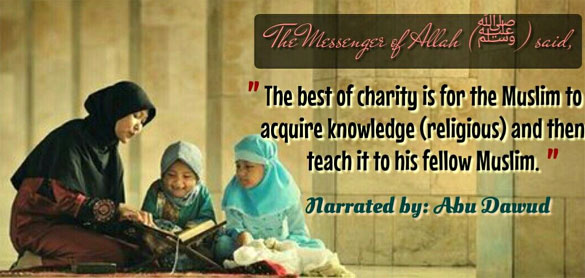
A peaceful society is essential for progress, stability, and prosperity. It provides people a safe environment, trust, cooperation, and respect for human dignity. Peace is not simply the absence of conflict; it is the presence of justice, balance, understanding, and positive values. In achieving this goal, teachers in both schools and madrasas play the most influential role because they guide the minds and character of the young generation.
Teachers are not only transmitters of knowledge; they are creators of character. Through their teaching and behaviour, they inspire students to adopt tolerance, respect, patience, discipline, and the habit of dialogue. A teacher who has a broad and balanced mindset trains students to disagree respectfully and live together despite differences. When teachers succeed in this mission, society moves towards harmony instead of hatred and extremism.
The modern world offers opportunities for education and development, but it also faces the growing threat of intolerance and violence. In these circumstances, schools and madrasas can act as powerful centres of peacebuilding. Since children spend their formative years in educational institutions, teachers have the responsibility to protect them from one-sided ideologies and wrong beliefs. Extremism mostly arises from narrow thinking and emotional reactions. Therefore, teachers must provide students with sound intellectual and moral training.
Religious teachers in madrasas should explain Islamic teachings of moderation, justice, and compassion based on the Qur’an and Hadith. The Prophet Muhammad ( peace be upon him) taught kindness and strongly discouraged extremism and unnecessary harshness. When madrasa teachers highlight the peaceful message of Islam in both theory and practice, students develop maturity and balance.
Teachers in schools also have a major role. They should train students to respect different viewpoints, participate in dialogue, and resolve disagreement peacefully. Students must understand that every issue can have multiple perspectives and that anger or aggression does not solve problems. A mind that is rational and stable is the best defence against extremism.
Character-building is another powerful tool. Teachers should help students develop confidence through encouragement and involvement in positive activities. When children learn honesty, empathy, responsibility, and fairness, they become emotionally strong and less vulnerable to extremist influences.
Classroom dialogue is equally important. Extremism spreads when people stop listening and begin reacting emotionally. Teachers should welcome questions and discussions so that students learn patience, reasoning, and how to disagree respectfully. Students who think logically are less likely to fall for propaganda, rumours, or hate content.
Curriculum reform can also support peace. Both schools and madrasas should support updating syllabi to include ethics, civic responsibility, human rights, and global awareness. Modern education and classical Islamic knowledge should complement each other so that students understand that religion supports peace, knowledge, and humanity.
Personal example is a powerful form of teaching. Students observe their teachers closely. A polite, just, and helpful teacher leaves a deep and lasting impact, while a harsh or biased teacher can unintentionally promote negative behaviour. Therefore, teachers must act as role models of peace, patience, and respect.
Many students fall into extremism due to personal stress or emotional struggles. Teachers should notice early signs of frustration and guide students with empathy. Encouraging participation in sports, debates, arts, speeches, and social work can help students express their energy in positive ways rather than destructive ones.
Today, social media has become a major source of misinformation and hate. Teachers should develop media literacy so students learn to verify information and avoid harmful content. They must understand how fake news and online propaganda damage individuals and society.
The partnership between parents and teachers is also crucial. When both work together, a child receives consistent moral training. Workshops, counselling sessions, and regular communication strengthen this collaboration and protect students from negative influences.
Islamic history is rich with examples of peace, coexistence, and knowledge. Events like the Charter of Madinah and the Treaty of Hudaybiyyah show how Islam values reconciliation and justice. Presenting such examples can inspire students to adopt peaceful behaviour and reject extremism.
Teachers in madrasas and schools are the strongest force against extremism. By encouraging balanced thinking, character-building, dialogue, and authentic religious and moral education, they can prepare future generations to choose peace over hatred. Education is not only about degrees; it is about thoughts, values, and behaviour. When teachers fulfil this mission with sincerity, society moves towards a future that is safe, progressive, and peaceful.
-----
Dr Zafar Darik Qasmi is an author and a New Age Islam Regular Columnist.
URL: https://www.newageislam.com/spiritual-meditations/madrasa-school-teachers-de-radicalisation/d/137815
New Age Islam, Islam Online, Islamic Website, African Muslim News, Arab World News, South Asia News, Indian Muslim News, World Muslim News, Women in Islam, Islamic Feminism, Arab Women, Women In Arab, Islamophobia in America, Muslim Women in West, Islam Women and Feminism