
The Comprehensive Concept of Education in Islam: Purification of the Self (Tazkiyah al-Nafs) (Part One)

By Dr. Zafar Darik Qasmi, New Age Islam
8 November 2025
Abstract:
Islam views education as a lifelong process that builds both mind and soul. The Qur’an and the Prophet Muhammad (peace be upon him) emphasised learning, reflection, and moral development. True education in Islam goes beyond reading and writing; it leads to self-purification (Tazkiyah al-Nafs), knowledge of Allah, and service to humanity. Tazkiyah al-Nafs means cleansing the heart from arrogance, greed, and hatred, and filling it with faith, sincerity, patience, and love for Allah. The Qur’an teaches that real success belongs to those who purify their souls. Through worship, sincerity, repentance, and good company, a believer attains peace and closeness to Allah. Islamic education aims not just for worldly success but for spiritual growth and moral excellence, creating balanced individuals who bring justice, harmony, and compassion to society.
Main Points:
1. Education in Islam develops mind, body, and soul, guiding humans toward moral and spiritual excellence.
2. Knowledge is a divine light that removes ignorance and leads to justice, peace, and faith.
3. True success lies in purifying the heart from evil and filling it with virtue.
4. The Prophet’s mission combined teaching, purification, and wisdom to reform individuals and society.
5. Purification through worship, reflection, and service creates peace, love, and true progress in life.
------

Islam is a complete way of life that guides human beings in every aspect of their existence. It is not limited only to prayer, fasting, or worship, but encourages knowledge, understanding, reflection, and education in every field of life. The Qur’an mentions knowledge many times, and Islam itself began with the command to read. Islam considers knowledge to be the foundation of faith, good deeds, guidance, morality, and progress.
According to Islam, knowledge is a light that frees a person from ignorance, misguidance, and darkness, and leads them towards faith, justice, and peace. The basis of Islamic knowledge is divine revelation, meaning that knowledge begins from Allah. As the Qur’an says:
“And He taught Adam the names of all things.” (Al-Baqarah 2:31)
This verse marks the beginning of humanity’s intellectual dignity. It shows that knowledge is the first inheritance given to humankind, and that human superiority over other creatures is due to knowledge.
The first revelation itself emphasised learning:
“Read in the name of your Lord who created.” (Al-‘Alaq 96:1)
This first divine command “Read” clearly shows that learning is the first step in human life and the highest priority in Islam.
The Qur’an also says:
“Are those who know equal to those who do not know?” (Az-Zumar 39:9)
This verse highlights the superiority of those who possess knowledge. Allah raises the status of people who have faith and knowledge:
“Allah will raise those who have believed and those who have been given knowledge by degrees.” (Al-Mujadilah 58:11)
Thus, both faith and knowledge elevate a person’s spiritual and social position.
The Qur’an calls knowledge light, insight, and guidance:
“Allah is the Light of the heavens and the earth.” (An-Nur 24:35)
Knowledge is part of this divine light that illuminates the human heart and helps distinguish truth from falsehood.

The Qur’an repeatedly invites humankind to reflect and reason. Learning in Islam is not about memorisation alone, but about awakening the mind and understanding reality. The Qur’an uses terms like یتفکرون (they reflect), یعقلون (they use reason), and یتدبرون (they contaplation), showing that true education helps humans to think and understand.
“Indeed, in the creation of the heavens and the earth and in the alternation of the night and the day are signs for those of understanding.” (Aal ‘Imran 3:190)
This verse lays the foundation for scientific and natural knowledge, encouraging humans to study the universe to recognise Allah’s power and serve humanity through learning.
Teachings of the Prophet (peace be upon him) on Knowledge
The Prophet Muhammad (peace be upon him) said:
“Seeking knowledge is an obligation upon every Muslim.” (Ibn Majah)
This makes it clear that both men and women are equally commanded to seek education.
He also said:
“Whoever travels a path in search of knowledge, Allah will make the path to Paradise easy for him.” (Tirmidhi)
This means that education is not only for worldly success but also for spiritual elevation.
Another saying of the Prophet (peace be upon him) is:
“The superiority of a scholar over a worshipper is like the superiority of the moon over the stars.” (Abu Dawood)
Knowledge gives wisdom and guidance, while worship without understanding may lead to blind imitation.
The Prophet Muhammad (peace be upon him) himself was the greatest teacher. The Qur’an describes his mission as follows:
“He is the One who sent among the unlettered a Messenger from among themselves, reciting to them His verses, purifying them, and teaching them the Book and wisdom.” (Al-Jumu‘ah 62:2)
This verse shows that the Prophet’s mission included three elements: teaching, purification, and wisdom. The Prophet transformed the Mosque of Madinah into a centre of learning where the Qur’an, Hadith, law, history, and ethics were taught.
Islam teaches that the goal of knowledge is not wealth or worldly power, but to serve humanity and seek Allah’s pleasure. The Qur’an describes itself as:
“A guidance for those who are righteous.” (Al-Baqarah 2:2)
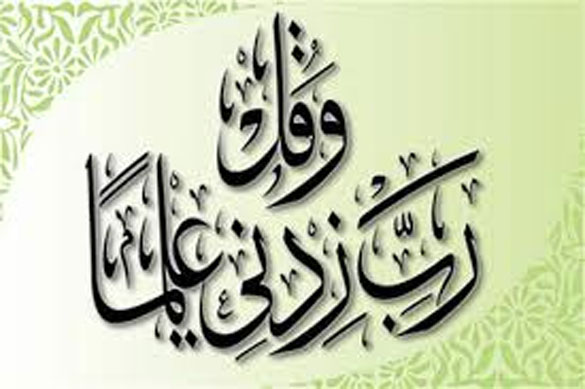
The Three Main Aims of Education in Islam
Islam identifies three core objectives of education:
1. Purification of the self (Tazkiyah al-Nafs)
2. Knowledge of Allah (Ma‘rifatullah)
3. Service to humanity (Khidmat al-Khalq)
Below is a detailed explanation of the first aim — Tazkiyah al-Nafs (Purification of the Self).
Tazkiyah al-Nafs: Purification of the Soul and Character
Tazkiyah al-Nafs is one of the most important concepts in Islamic education. The term Tazkiyah comes from the Arabic root Zaka, which means “to purify,” “to grow,” or “to make righteous.” It refers to cleansing the soul from evil qualities such as arrogance, greed, envy, hatred, and selfishness, and adorning it with virtues like faith, patience, gratitude, sincerity, piety, and love of Allah.
The Qur’an declares purification as the key to real success:
“Successful indeed is the one who purifies his soul, and ruined is the one who corrupts it.” (Ash-Shams 91:9–10)
True success, therefore, lies not in wealth or worldly position, but in inner purification and moral excellence.
The Qur’an also mentions that one of the main purposes of the Prophet’s mission was purification:
“He is the One who sent among the unlettered a Messenger from among themselves, reciting His verses to them, purifying them, and teaching them the Book and wisdom.” (Al-Jumu‘ah 62:2)
This shows that moral and spiritual refinement is at the heart of Islam.
Sayings of the Prophet (peace be upon him) on Purification
The Prophet (peace be upon him) said:
“Indeed, in the body there is a piece of flesh; if it is sound, the whole body is sound, and if it is corrupt, the whole body is corrupt. Verily, it is the heart.” (Bukhari)
This means that the purification of the heart leads to the purification of the entire life.
The Three Stages of the Soul
Islamic teachings describe three stages in the development of the human soul:
1. Nafs al-Ammarah – The commanding soul that pushes a person towards evil.
“Indeed, the soul is ever inclined to evil.” (Yusuf 12:53)
2. Nafs al-Lawwāmah – The self-reproaching soul that feels guilt after sin and turns towards goodness.
3. Nafs al-Mutma’innah – The peaceful and content soul that is pleased with Allah.
“O peaceful soul, return to your Lord, well-pleased and pleasing to Him.” (Al-Fajr 89:27–28)
The goal of Tazkiyah is to elevate the soul to this final stage of peace and contentment with Allah.
Ways to Achieve Purification
1. Worship – Prayer, fasting, recitation of the Qur’an, remembrance of Allah, and repentance purify the heart.
2. Sincerity – Doing every act only for Allah’s pleasure.
3. Self-Reflection – Regularly reviewing one’s deeds and correcting mistakes.
4. Repentance – Turning away from sins and seeking forgiveness.
5. Good Company – Spending time with righteous people who inspire goodness.
6. Service to Humanity – Helping others removes selfishness and softens the heart.
Tazkiyah al-Nafs is the spirit of Islam. It enlightens the heart, refines the character, and beautifies the personality. The Qur’an declares that only those who purify their souls will succeed. When individuals and societies practise purification, justice, love, and peace flourish.
In Islam, true progress does not come only from material development but from spiritual purification. When the heart is pure, actions and decisions also become pure. This is the real secret of moral and spiritual success.
----
Dr. Zafar Darik Qasmi is an author and a New Age Islam Regular Columnist.
New Age Islam, Islam Online, Islamic Website, African Muslim News, Arab World News, South Asia News, Indian Muslim News, World Muslim News, Women in Islam, Islamic Feminism, Arab Women, Women In Arab, Islamophobia in America, Muslim Women in West, Islam Women and Feminism