
Hazrat Baba Dariyadin Was One Of The Prominent And High-Ranked Saints Of This Reshi Order

By Altamash Ali New Age Islam
3 December 2025
Hazrat Baba Dariyadin, disciple of Hazrat Zainuddin Reshi & Sheikh-ul-Alam, lived ascetically on wild leaves, performed miracles, vanished from sealed cave; Sultan Zain-ul-Abideen built his shrine in Daryadin, Ganderbal.
Main Points:
1. Direct disciple of Hazrat Zainuddin Reshi, handed over by Sheikh-ul-Alam
2. Lived extreme ascetic life: unmarried, ate only wild wupal haak & haand, never stored food.
3. Settled in cave at Elaqai-Phag (village later named Daryadin); wild beasts never harmed him.
4. Two famous miracles: restored sight to repentant thieves + created everlasting sweet spring with his staff
5. Vanished from sealed cave after 40-day chilla; Sultan Zain-ul-Abideen built his shrine. Urs: 10–12 Rabi-ul-Awwal.
----
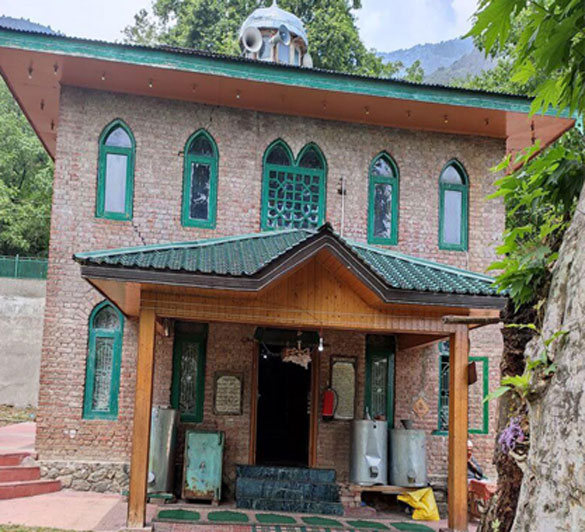
Hazrat Baba Dariyadin was one of the most prominent and highly ranked saints of the Reshi order who lived during the time of Sultan Zain-ul-Abideen (Badshah). This famous Reshi saint was deeply influenced by two great and well-known figures of the Reshi tradition:
Nund Reshi (Sheikh-ul-Alam ) and Hazrat Zainuddin Reshi.
It is believed that Hazrat Sheikh-ul-Alam himself handed over Hazrat Baba Dariyadin to his Khalifa, Hazrat Zainuddin Reshi for complete spiritual training. After reaching the highest stage of spiritual perfection, his spiritual guide ordered him to travel extensively across the Kashmir Valley and spread the message of Tawheed (Oneness of Allah) among the common people.
He obeyed his mentor’s instruction and began his spiritual journey. While moving from place to place, he finally reached Elaqi-Phag (in present-day Ganderbal). There he met another great Sufi saint of his time, Hazrat Baba Faqrudin Wali, who was doing intense meditation (Riyazat) inside a cave on a hilltop between Nagbal and Khalimulla. The village itself got its name “Dariya Din” (Daryadin) after this great saint and is located about 10 km from Ganderbal town. After staying in that area for a long time, hazrat Baba Dariyadin chose the same spot as his permanent place of meditation and seclusion. It is said that wild animals like bears, lions, and snakes lived all around his cave, yet none of them ever harmed him.
Famous historians of Kashmiri Sufi saints such as Hazrat Mohammad Azam Dedmari, Hazrat Hassan Shah Khuhihaami , and Hazrat Sheikh-ul-Islam Hazrat Baba Dawood Mishkati have mentioned his name and given a short account of his life in their books. There is no written record of his exact date of birth or birthplace, but according to oral tradition he belonged to Rainawari, Srinagar. He had no formal worldly education. Like other Muslim Reshis, he strictly followed the Reshi way of life: lived an extremely simple and unmarried life, always remained absorbed in the remembrance of Allah (Zikr-Allah), accepted great hardships himself, and helped everyone who was in need. For his daily food he survived only on water and wild edible leaves such as haand (dandelion) and Wupal Haak (a local wild spinach). Like his predecessors, he never stored food even for the next day.
He also kept the company of other contemporary Reshis such as Hazrat Baba Shukruddin Reshi , Hazrat Baba Payamuddin , Hazrat Baba Hanifuddin Reshi , and Hazrat Sheikh Shamsuddin Reshi.
Many miracles (Karamat) are attributed to him. One of the most famous is: Once while he was meditating a few yards away from his cave, some thieves stole his few utensils from the cave. The very next day all those thieves went blind. When they realised that the things belonged to a great saint, they returned everything and begged for forgiveness. Hazrat Baba raised his hands in prayer, and their eyesight was instantly restored.
His prominent disciples, including Hazrat Baba Sangi Reshi , Hazrat Baba Fatah Reshi , and Hazrat Baba Hasti Reshi , used to fetch water for wudu and daily use from distant villages because there was no water source near the cave. One day they mentioned this difficulty to their master. He uttered the name of Allah, struck his staff (asa) on the ground, and sweet water sprang out. That spring later became the main source of water for the people who settled there permanently.
In the final days of his life on earth, he went into forty days of complete seclusion (chhilla) inside the cave and instructed his disciples not to disturb him because he had received a divine command. When the disciples removed the stone from the cave entrance after forty days, his body had vanished. The news spread like wildfire throughout the valley, and people rushed to the spot. When Sultan Zain-ul-Abideen (Badshah) heard about it, he personally visited the place with his ministers and immediately ordered the construction of a mausoleum (ziarat) and a mosque at the cave. He also donated several Kanals of land for the shrine. Even today, one can enjoy a beautiful view of Dal Lake from that place.
Every year, the annual Urs is celebrated day and night from 10th to 12th Rabi-ul-Awwal (the same dates on which the birth anniversary of Prophet Muhammad is observed). Thousands of people from Ganderbal and nearby districts visit the shrine, special prayers are offered in his honour, free community meals (langar) are served, and locals especially cook wupal haak to remember the simple and austere life of the great Reshi saint.
----
Altamash Ali is a Sufi writer and a student at IFTM University._
URL: https://www.newageislam.com/islamic-personalities/hazrat-baba-dariyadin-saints-reshi-order/d/137869
New Age Islam, Islam Online, Islamic Website, African Muslim News, Arab World News, South Asia News, Indian Muslim News, World Muslim News, Women in Islam, Islamic Feminism, Arab Women, Women In Arab, Islamophobia in America, Muslim Women in West, Islam Women and Feminism