
The Martyrdom of Imam Hussain: A Timeless Struggle for Justice, Human Dignity, And Moral Courage Martyrdom of Imam Hussain
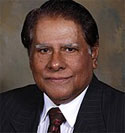
By M. Basheer Ahmed M D, New Age Islam
20 June 2026
The martyrdom of Imam Hussain, the beloved grandson of Prophet Muhammad (peace be upon him), stands as one of the most defining moral events in Islamic history, occurring on the 10th of Muharram in 680 CE. Muslims around the world commemorate this tragic event every year, honoring his sacrifice in the struggle between justice and tyranny. Imam Hussain stood against Yazid, who had been appointed caliph by his father, Amir Muawiya. Imam Hussain’s refusal to legitimize the rule of Yazid—whose conduct violated the ethical and spiritual foundations of Islam—was not a political rebellion but a principled stand to preserve the integrity of the Muslim Ummah.
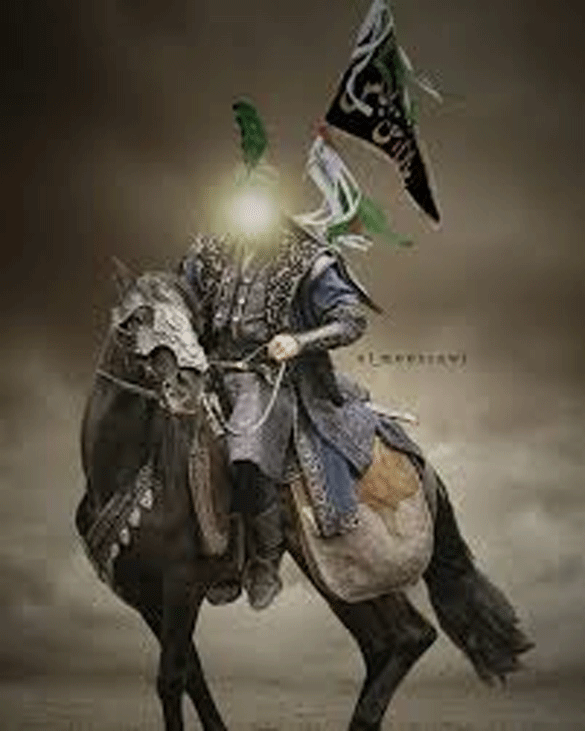
Muharram and the Ethical Foundations of Early Islam
Muharram, one of the four sacred months in the Islamic lunar calendar, has deep spiritual significance. The Prophet (peace be upon him) observed fasting on the 10th of Muharram (Ashura), and Muslims—especially Sunni Muslims—continue to fast on the 9th and 10th days in remembrance of this prophetic tradition. Many also reflect on the suffering endured by Imam Hussain and his family, who were martyred in Karbala for upholding justice and the truth.
The early Islamic political model emphasized accountability, collective consultation (shura), and leadership bound to the law. The caliph was not a monarch but an administrator who was answerable to the community. The Umayyad Caliphate’s transformation into a hereditary dynasty contradicted these Qur’anic principles. Imam Hussain, raised in the Prophet’s household and deeply committed to Qur’anic values, could not endorse a ruler whose actions undermined justice, equality, and moral integrity.
Yazid demanded allegiance from Imam Hussain, but Hussain refused, believing Yazid’s rule to be unjust and illegitimate. The Umayyad Caliphate transformed into a hereditary monarchy, contradicting Qur’anic principles of accountable governance, collective consultation (shura), and leadership bound by law. Early Islamic political theory envisioned the caliph as an elected and accountable administrator, not a king above the people.
Imam Hussain, raised in the household of the Prophet and deeply committed to Qur’anic values of justice, equality, and moral integrity, could not endorse a ruler who violated these principles. Pledging allegiance to Yazid would have meant supporting this injustice. His refusal, even at the cost of his life and the lives of his family members, was a testimony of truth before God.
Imam Hussain received thousands of letters from the people of Kufa, urging him to lead them against Yazid’s oppressive rule. However, Yazid’s governor, Ibn Ziyad, ruled through fear; threats, bribes, and executions silenced the very people who had invited Hussain. Their betrayal is a timeless reminder of human weakness: many choose silence and safety over standing against injustice.
Despite knowing the risks, Imam Hussain continued his journey, hoping for dialogue and refusing to compromise on his principles.
When he reached Karbala, he found himself surrounded by Yazid’s massive army, accompanied only by a small group of loyal family members and companions—his half-brother, wife, children, sisters, and closest friends. His supporters abandoned him, but his family remained steadfast. For ten days, they endured siege, thirst, and relentless pressure to submit. Imam Hussain chose to stand his ground, fully aware that he and his followers might not survive. He sacrificed his life for the preservation of justice and moral integrity of Islam.
The Qur’an honors this steadfastness. Verse 33:23 praises those who remain true to their covenant with God, standing firm even under immense trial. Imam Hussain’s martyrdom is one of the greatest embodiments of this verse.
The tragedy of Karbala is a powerful reminder for all Muslims: we must stand up for what is right, even when it is difficult. Courage, integrity, and commitment to justice are Imam Hussain’s legacies.
After the tragedy of Karbala, the surviving women and children—descendants of the Prophet—were taken captive and paraded through Kufa and Damascus. In Yazid’s court, Sayyida Zaynab, the granddaughter of Prophet Muhammad, delivered a powerful and fearless speech that exposed the emptiness of Yazid’s so-called victory. Though bound in chains, she stood with dignity and moral authority, declaring Hussain’s martyrdom not a defeat but a triumph of conscience that would awaken the conscience of the Ummah for generations.
Imam Zain al Abidin, the only adult male survivor from Imam Hussain’s household—too ill to fight on the day of Ashura—played a crucial role in the aftermath. Through his prayers, teachings, and sermons at Masjid e Nabawi, he rebuilt the spiritual and ethical foundations of the Muslim community. His Sahifa Sajjadiyya remains a profound contribution to Islamic spiritual literature.
Likewise, Sayyida Zaynab continued narrating the events of Karbala, preserving its memory and transforming grief into a movement for justice. Today, she stands as a powerful symbol of resistance, courage, and moral clarity, inspiring women and men alike.
History has repeatedly shown that societies often succumb to fear and power, as the people of Kufa did. In the 20th century, millions of people followed Hitler’s destructive ideology. Even today, individuals with immense wealth and influence shape public opinion and lead people to engage in unethical and immoral behavior. It is astonishing how even educated individuals can abandon their moral clarity under pressure.
Sadly, much of the Muslim world remains under oppressive rules. We have not produced leaders who embody Imam Hussain’s courage, integrity, and moral clarity.
However, history also offers examples of leaders who embodied Imam Hussain’s courage. Martin Luther King Jr. confronted racism in the United States. Nelson Mandela challenged apartheid in South Africa. Mahatma Gandhi resisted the British Empire to secure India’s independence. Gandhi famously said: “I learned from Hussain how to achieve victory while being oppressed.” In recent history we have also seen Iran standing against the most powerful coutry in the world. These figures remind us that moral courage is timeless and universal
Unfortunately, many Muslims today—across sects—have reduced religion to rituals, losing sight of Islam’s deeper spirit and teachings. Some Shia communities engage in self-flagellation and chest-beating during Ashura, but these rituals alone do not convey the true meaning of Imam Hussain’s sacrifice to the younger generation. The essence of Karbala is not sorrow alone; it is moral awakening. During Ashura, Shia scholars and intellectuals should hold open and inclusive seminars for the entire Muslim community. These gatherings should emphasize unity and highlight the courage of Imam Hussain and the sacrifices of his family in defending the Qur’anic principles of justice, human dignity, and moral integrity. Young Muslims must experience Ashura in a way that inspires them to challenge oppression with courage and, conviction.
Ashura should unite Muslims rather than divide them. Imam Hussain belongs to all Muslims—Sunni and Shia alike. His legacy is a shared inheritance, and it is our collective responsibility to honor it
The Qur’an repeatedly commands unity:“And hold fast, all together, to the rope of Allah, and be not divided.” (3:103)
“The believers are but brothers, so make peace between your brothers.” (49:10)
Unity is strength. Division is weakness. In a world filled with challenges, the survival and dignity of the Muslim Ummah depend on our ability to unite. Imam Hussain’s sacrifice teaches us that justice, truth, and unity are the pillars of a strong and righteous
The Eternal Message of Karbala
The martyrdom of Imam Hussain is not merely a historical event; it is a living moral compass. It teaches that justice must be upheld, even when the world stands against us. It reminds us that the truth is worth any sacrifice. It calls us to confront oppression with courage, dignity, and unwavering faith.The eternal message is: Stand for justice. Defend human dignity. Remain steadfast in truth. This is the legacy of Imam Hussain, which continues to inspire humanity across centuries and civilizations.
…
Dr. Basheer Ahmed is a former Professor of Psychiatry, UT, Southwestern Medical School Dallas, Chairman Emeritus of the Muslim Community Centre for Human Services, and President Emeritus of Institute of Medieval and Post- Medieval Studies (IMPMS.
New Age Islam, Islam Online, Islamic Website, African Muslim News, Arab World News, South Asia News, Indian Muslim News, World Muslim News, Women in Islam, Islamic Feminism, Arab Women, Women In Arab, Islamophobia in America, Muslim Women in West, Islam Women and Feminism