
The Clan That Lost Its Honour: Cowardice, Shamelessness, And The Collapse Of Moral Courage

By Moin Qazi, New Age Islam
10 July 2026
Cowardice (Jubn) and Shamelessness (Qillat al-Ḥayāʾ) in Islamic Ethics
Islamic ethics is concerned not only with cultivating virtue but also with identifying and overcoming the moral defects that obstruct spiritual growth. Among the gravest of these defects are cowardice (jubn) and shamelessness (qillat al-ḥayāʾ). These two vices undermine the moral integrity of the believer and disturb the balance of character that Islam seeks to establish. While courage (shajāʿah) and modesty (ḥayāʾ) are celebrated as essential virtues, their opposites represent profound failures of faith, conscience, and moral responsibility.
Cowardice (jubn) should not be confused with the natural experience of fear. Fear is an intrinsic part of the human condition, and even the prophets experienced moments of apprehension. Islam does not condemn fear itself; rather, it condemns the surrender of moral principle because of fear. Cowardice arises when fear overcomes conviction, causing a person to abandon truth, evade responsibility, or compromise justice for the sake of personal safety, worldly advantage, or public approval.
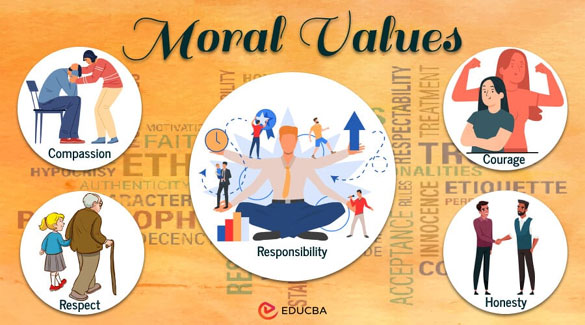
In Islamic moral thought, cowardice is therefore far more than physical timidity. It is the inability to act in accordance with conscience despite recognising what is right. The coward remains silent when injustice is committed, hesitates to defend the oppressed, withdraws from legitimate obligations, or sacrifices ethical principles to avoid hardship or criticism. Such conduct weakens both individual character and the moral fabric of society.
The Qur'an repeatedly praises those who remain steadfast in adversity, trust in Allah during times of trial, and persevere in righteousness despite intimidation or suffering. The Prophet Muhammad ﷺ likewise sought refuge in Allah from cowardice, recognising that excessive fear can erode faith, weaken resolve, and prevent believers from fulfilling their obligations. Classical Muslim ethicists consequently regarded courage as the balanced virtue that stands between the extremes of cowardice and reckless audacity, enabling believers to act with firmness, wisdom, and self-restraint.
Closely related to cowardice is the equally destructive vice of shamelessness (qillat al-ḥayāʾ), which signifies the erosion of moral modesty and spiritual sensitivity. Ḥayāʾ is one of the defining virtues of Islamic character because it instils an inner awareness of God's presence and a deep respect for human dignity. Shamelessness, by contrast, reflects the gradual disappearance of this moral consciousness.
The loss of ḥayāʾ is not merely a decline in outward manners or social etiquette. It is the weakening of the inner conscience that restrains human beings from wrongdoing. Once modesty and reverence for God are diminished, the psychological barriers that protect moral conduct begin to collapse. Wrongdoing becomes easier to justify, sin loses its moral weight, and ethical boundaries become increasingly blurred.
The Prophet ﷺ declared, "Modesty is part of faith," thereby establishing ḥayāʾ as an essential component of true belief. Conversely, when ḥayāʾ disappears, individuals become indifferent to sin, insensitive to the rights of others, and unconcerned with accountability before Allah. Shamelessness may reveal itself in dishonesty, vulgarity, indecency, arrogance, corruption, exploitation, public immorality, or the open rejection of moral values that preserve both personal honour and social order.
Islamic scholars have consistently observed that shamelessness rarely appears suddenly. Rather, it develops gradually as the conscience becomes desensitised through repeated acts of disobedience, unchecked desires, and habitual neglect of self-examination. As moral sensitivity diminishes, actions once recognised as sinful become normalised, and the individual loses the capacity to feel remorse. The spiritual heart, once illuminated by faith and reverence, becomes increasingly hardened.
Although cowardice and shamelessness appear to represent different moral failures, they frequently reinforce one another. Cowardice prevents individuals from defending truth and resisting evil, while shamelessness removes the inner restraints that discourage wrongdoing. One abandons duty through fear; the other abandons conscience through moral indifference. Together they weaken both personal integrity and the ethical foundations of society, creating conditions in which injustice flourishes and vice becomes normalised.
For this reason, Islamic ethics treats these two vices as profound spiritual diseases rather than mere personality flaws. Their remedy lies in strengthening faith (īmān), cultivating God-consciousness (taqwā), nurturing modesty (ḥayāʾ), and developing the courage to uphold justice regardless of personal cost. Through this moral discipline, believers preserve the nobility of character (akhlāq), fulfil their responsibilities to God and humanity, and advance towards the station of spiritual excellence (iḥsān).
Courage as Moral Steadfastness
The Qur'an repeatedly teaches that genuine strength does not arise from worldly power but from faith, patience, and trust in Allah.
"So do not lose heart and do not grieve, for you will be superior if you are true believers."(Qur'an 3:139)
This verse, revealed in the aftermath of the difficulties faced at Uḥud, transformed a moment of hardship into a lesson in spiritual resilience. A believer may encounter defeat, loss, and suffering, but faith does not permit despair or moral surrender.
The Qur'an further commands:
"O you who believe! Be patient, persevere, remain steadfast, and be mindful of Allah so that you may be successful."(Qur'an 3:200)
Here, ṣabr (patience) is not passive endurance but moral strength—the ability to remain committed to righteousness when circumstances become difficult.
Cowardice as Abandonment of Moral Duty
The Qur'an gives one of its strongest warnings against cowardice in the context of abandoning responsibility during battle:
"O you who believe! When you meet those who disbelieve in battle, do not turn your backs to them. Whoever turns his back to them on such a day—unless it is as a strategy for battle or to join another group—has certainly incurred the wrath of Allah, and their refuge will be Hell. What an evil destination!"(Qur'an 8:15–16)
Although revealed in the context of armed conflict, the moral principle extends beyond the battlefield. It teaches that fear cannot become an excuse for abandoning duty, betraying commitments, or fleeing from responsibility.
Classical scholars such as al-Ṭabarī and al-Qurṭubī explained that unjustified desertion constitutes a grave moral failure because it prioritises personal preservation over collective obligation. The Prophet Muhammad ﷺ similarly warned against cowardice as a destructive character trait:
"The worst quality found in a person is anxious greed and extreme cowardice."(Sunan Abī Dāwūd, Kitāb al-Jihād, Hadith no. 2511; Musnad Aḥmad, Hadith no. 8783)
This teaching reveals that cowardice is not simply a lack of physical bravery. It reflects excessive attachment to personal security and worldly interests at the expense of moral responsibility.
Courage and the Duty of Justice
In Islam, courage reaches its highest expression in the defence of justice. A believer is commanded to uphold truth even when it conflicts with personal interest, family loyalty, social pressure, or fear of consequences.
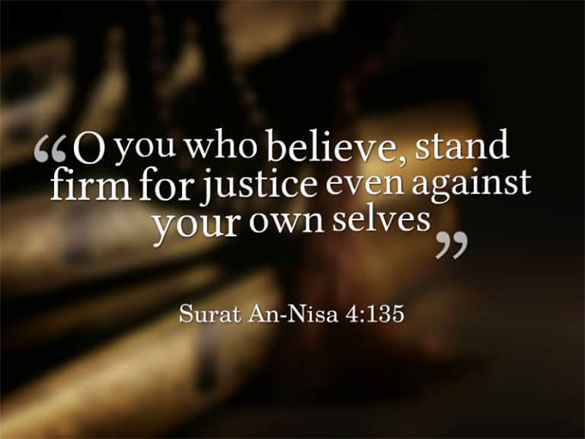
The Qur'an declares:
"O you who believe! Stand firm for justice as witnesses for Allah, even if it is against yourselves, your parents, or your relatives."(Qur'an 4:135)
It further commands:
"O you who believe! Stand firm for Allah, bearing witness with justice. Do not let the hatred of a people cause you to be unjust. Be just; that is closer to righteousness."(Qur'an 5:8)
These verses establish one of Islam's highest ethical principles: justice cannot be sacrificed for convenience, fear, affection, or social approval. The Prophet ﷺ expressed this ideal when he said:
"The best form of struggle is a word of truth spoken before a tyrannical ruler."((Sunan Ibn Mājah, Hadith no. 4011; Al-Sunan al-Kubrā of al-Nasāʾī, Hadith no. 7749; Musnad Aḥmad, Hadith no. 18449)
The highest form of courage, therefore, is not domination over others but the willingness to defend truth despite personal risk.
Ḥayāʾ: The Inner Guardian of Faith
Alongside courage, Islam places extraordinary emphasis on ḥayāʾ—a quality combining modesty, dignity, humility, and moral awareness.
The Prophet ﷺ declared:
"Faith has over seventy branches... and modesty (ḥayāʾ) is a branch of faith."(Ṣaḥīḥ al-Bukhārī, Kitāb al-Īmān, Hadith no. 9; Ṣaḥīḥ Muslim, Kitāb al-Īmān, Hadith no. 35)
By describing ḥayāʾ as a branch of faith, the Prophet ﷺ elevated it beyond social etiquette. It becomes an inner spiritual force that restrains wrongdoing even when no human being is watching.
The Qur'an similarly connects modesty with righteousness:
"Tell the believing men to lower their gaze and guard their chastity. That is purer for them. Surely Allah is All-Aware of what they do."(Qur'an 24:30)
And:
"Tell the believing women to lower their gaze and guard their chastity..."(Qur'an 24:31)
Thus, ḥayāʾ represents the moral consciousness that protects both individual dignity and social harmony.
The Danger of Losing Moral Shame
The Prophet ﷺ warned:
"If you feel no shame, then do as you wish."(Ṣaḥīḥ al-Bukhārī, Kitāb Aḥādīth al-Anbiyāʾ, Hadith no. 3483)
This statement is not permission to act without restraint. Rather, it is a profound warning that when moral shame disappears, the internal barrier against wrongdoing is removed. As Ibn Ḥajar al-ʿAsqalānī explains in Fatḥ al-Bārī, ḥayāʾ functions as a protective force within the human soul. When conscience becomes weakened, a person may commit injustice without hesitation or remorse.
The Union of Cowardice and Shamelessness
Cowardice and shamelessness become especially destructive when they appear together. Fear prevents a person from speaking truth, while the absence of ḥayāʾ removes the moral discomfort that should prevent wrongdoing. Together, these defects may produce hypocrisy, betrayal of trust, silence in the face of injustice, backbiting, moral compromise, and the sacrifice of principle for personal advantage.
A cowardly person may know the truth but lack the courage to defend it. A shameless person may recognise wrongdoing but lack the conscience to feel disturbed by it. When these qualities combine, they create a personality incapable of moral accountability. Islam therefore calls believers to cultivate the opposite virtues: courage to uphold truth despite difficulty and ḥayāʾ to restrain the ego from arrogance, dishonesty, and transgression.
Seeking Divine Protection from Cowardice
Recognising the weaknesses of the human soul, the Prophet ﷺ taught believers to seek Allah's protection from traits that diminish moral strength:
"O Allah, I seek refuge in You from anxiety and sorrow; I seek refuge in You from incapacity and laziness; I seek refuge in You from cowardice and miserliness; and I seek refuge in You from the burden of debt and from being overpowered by others."(Ṣaḥīḥ al-Bukhārī, Kitāb al-Daʿawāt, Hadith no. 6369)
The placement of cowardice alongside helplessness, laziness, and miserliness is deeply significant. It shows that Islam views cowardice not merely as a personality weakness but as a spiritual affliction that diminishes human dignity and moral agency.
Courage Without Arrogance, Modesty Without Weakness
Islamic ethics seeks to create a person who is courageous without arrogance and modest without weakness. Courage protects truth from being silenced; ḥayāʾ protects the soul from corruption. The believer must possess the courage to stand firm when justice demands it and the humility to restrain the ego when temptation calls. Together, shajāʿah and ḥayāʾ represent two complementary dimensions of Islamic character: one gives strength to act, while the other gives wisdom to act rightly.
The ultimate struggle is therefore not merely against external challenges but against the weaknesses within the human self—fear, selfishness, vanity, and moral indifference. Through purification of the heart, courage becomes principled, modesty becomes honour, and faith becomes a living force in human conduct.
Selected References
Qur'anic References
1. Qur'an 3:139.
2. Qur'an 3:200.
3. Qur'an 4:135.
4. Qur'an 5:8.
5. Qur'an 8:15–16.
6. Qur'an 24:30–31.
7. Qur'an 28:25.
8. Qur'an 29:2–3.
9. Qur'an 33:23–24.
Hadith References
10. Aḥmad ibn Ḥanbal. Al-Musnad, no. 8783 (narration concerning "anxious greed and extreme cowardice").
11. Al-Nasāʾī, Aḥmad ibn Shuʿayb. Al-Sunan al-Kubrā, no. 7749; see also Musnad Aḥmad, no. 18449 and Sunan Ibn Mājah, no. 4011 ("The best jihād is a word of truth before a tyrannical ruler").
12. Al-Bukhārī, Muḥammad ibn Ismāʿīl. Ṣaḥīḥ al-Bukhārī, Kitāb al-Īmān, no. 9 ("Al-ḥayāʾ shuʿbatun min al-īmān" — "Modesty is a branch of faith").
13. Al-Bukhārī, Muḥammad ibn Ismāʿīl. Ṣaḥīḥ al-Bukhārī, Kitāb Aḥādīth al-Anbiyāʾ, no. 3483 ("If you have no shame, then do as you wish").
14. Al-Bukhārī, Muḥammad ibn Ismāʿīl. Ṣaḥīḥ al-Bukhārī, Kitāb al-Daʿawāt, no. 6369 (supplication seeking refuge from anxiety, incapacity, laziness, cowardice, miserliness, debt, and oppression).
15. Abū Dāwūd, Sulaymān ibn al-Ashʿath. Sunan Abī Dāwūd, Kitāb al-Jihād, no. 2511 (narration concerning cowardice and greed).
16. Muslim ibn al-Ḥajjāj. Ṣaḥīḥ Muslim, Kitāb al-Īmān, no. 35 ("Al-ḥayāʾ shuʿbatun min al-īmān").
Classical Islamic Sources
17. Abū Dāwūd, Sulaymān ibn al-Ashʿath. Sunan Abī Dāwūd.
18. Abū Ḥāmid al-Ghazālī. IḥyāʾʿUlūm al-Dīn.
19. Aḥmad ibn Ḥanbal. Al-Musnad.
20. Al-Bukhārī, Muḥammad ibn Ismāʿīl. Ṣaḥīḥ al-Bukhārī.
21. Al-Nasāʾī, Aḥmad ibn Shuʿayb. Al-Sunan al-Kubrā.
22. Al-Qurṭubī, Muḥammad ibn Aḥmad. Al-Jāmiʿ li-Aḥkām al-Qurʾān.
23. Al-Ṭabarī, Muḥammad ibn Jarīr. Jāmiʿ al-Bayān ʿan Taʾwīl Āy al-Qurʾān.
24. Al-Tirmidhī, Muḥammad ibn ʿĪsā. Jāmiʿ al-Tirmidhī.
25. Ibn Ḥajar al-ʿAsqalānī. Fatḥ al-Bārī bi-SharḥṢaḥīḥ al-Bukhārī.
26. Ibn Kathīr, Ismāʿīl ibn ʿUmar. Tafsīr al-Qurʾān al-ʿAẓīm.
27. Ibn Mājah, Muḥammad ibn Yazīd. Sunan Ibn Mājah.
28. Ibn al-Qayyim al-Jawziyyah. Madārij al-Sālikīn.
29. Muslim ibn al-Ḥajjāj. Ṣaḥīḥ Muslim.
Modern Scholarly Studies
30. Asad, Muḥammad. The Message of the Qur'an. Gibraltar: Dar al-Andalus.
31. Brown, Jonathan A. C. Hadith: Muhammad's Legacy in the Medieval and Modern World. Oxford: Oneworld.
32. Hallaq, Wael B. Sharīʿa: Theory, Practice, Transformations. Cambridge: Cambridge University Press.
33. Izutsu, Toshihiko. Ethico-Religious Concepts in the Qur'an. Montreal and Kingston: McGill–Queen's University Press.
34. Nasr, Seyyed Hossein (ed.). The Study Quran. New York: HarperOne.
35. Rahman, Fazlur. Major Themes of the Qur'an. Chicago: University of Chicago Press.
…
Moin Qazi is an Indian author and development leader who advanced dignity-centred, community-led change. A pioneer of microfinance and grassroots institutions, he fused ethics with social innovation. With deep interdisciplinary scholarship, he bridged policy, justice, and lived realities. His legacy affirms ethical leadership and people’s agency as drivers of India’s progress….
URL: https://newageislam.com/islam-spiritualism/cowardice-shamelessness-moral-courage-collapse/d/140738
New Age Islam, Islam Online, Islamic Website, African Muslim News, Arab World News, South Asia News, Indian Muslim News, World Muslim News, Women in Islam, Islamic Feminism, Arab Women, Women In Arab, Islamophobia in America, Muslim Women in West, Islam Women and Feminism