
Islam and Medical Ethics
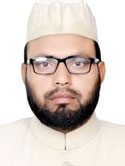
By Dr. Zafar Darik Qasmi, New Age Islam
1 December 2025
Abstract:
Islam considers medicine a sacred service aimed at protecting human life and dignity. Islamic medical ethics emphasize intention, honesty, fairness, confidentiality, and equal treatment for all patients. A physician should seek to serve humanity rather than earn only money. Islam supports informed consent, patient choice, and prohibits unethical practices like unnecessary risks, commercial exploitation, and discrimination. Modern challenges such as genetic engineering, AI, medical commercialization, and organ trafficking demand strong ethical guidance. Islamic values—justice, compassion, service, and respect for life—provide an ethical framework that can help modern healthcare become more humane, balanced, and morally responsible.
Main Points:
1. Human life is sacred; saving a life equals saving humanity.
2. Medical treatment must be based on intention, honesty, and compassion.
3. No discrimination in healthcare — every patient deserves equal treatment.
1. 4.Confidentiality, informed consent, and patient dignity are core Islamic duties.
4. Islam rejects unethical medical practices and supports beneficial scientific advancement.
-----
Islam is a complete way of life that provides guidance in every human concern, including matters of health and medicine. Protecting human life holds a sacred position in Islamic teachings. The Prophet Muhammad (peace be upon him) said:
“There should be neither harm nor reciprocating harm.” (Sunan Ibn Majah)
This foundational principle shapes the core of Islamic medical ethics. As modern medicine advances and new challenges arise, the relevance of these ethical guidelines becomes increasingly significant.
In Islam, human life is a divine trust. The Qur’an states:
“Whoever saves one life, it is as if he has saved the whole of humanity.” (Al-Ma'idah: 32)
Thus, the physician’s primary responsibility is to safeguard life and make decisions that ensure the patient’s safety, dignity, and recovery. The medical profession, therefore, is regarded as an act of worship and service to humanity.
Intention (Niyyah) occupies a central place in Islamic ethical conduct. The Prophet (peace be upon him) said:
“Actions are judged according to intentions.” (Sahih al-Bukhari)
A physician is encouraged to practice medicine with sincerity and a desire to serve, not merely for financial gain. Pure intention protects a doctor from unethical behaviour such as excessive fees, unnecessary tests, or harmful procedures.
Islam promotes equality in healthcare. Discrimination based on wealth, social status, race, or religion is prohibited. This principle supports universal access to essential medical care.
Respect for patient dignity is another key aspect of Islamic medical ethics. A physician must maintain confidentiality regarding a patient's condition, medical reports, and treatment details. Protecting privacy builds trust and contributes to effective healing.
Islam also acknowledges the patient’s right to make informed decisions. Before any treatment or surgery, patients should be clearly informed about the procedure, risks, expected benefits, and available options. If the patient is unable to decide, consent should be taken from a guardian. This aligns with what is now known as informed consent.
Modern scientific advancements—such as clinical trials, genetic research, and biomedical innovations—raise complex ethical issues. Islam permits medical research under specific conditions: the patient must not face unnecessary risk, the experiment must benefit individuals or society, and informed consent is essential. Islam strictly opposes unethical experimentation, organ trade, and practices that violate human dignity.
Islam views illness as both a physical and spiritual experience. Alongside medical treatment, patience, prayer, and inner peace play an important role in recovery. A physician should therefore consider the emotional and spiritual well-being of the patient.
While Islam allows doctors to charge fees, it prohibits financial exploitation. Overcharging, recommending unwarranted surgeries, or prescribing medicines for commission are all unacceptable. Islamic ethics promote fairness, transparency, and a sense of responsibility within medical practice.
A good physician is expected to embody qualities such as piety, honesty, humility, patience, gentle behaviour, truthfulness, and kindness. These traits strengthen the doctor–patient relationship and enhance the physician’s professional integrity.
Despite extraordinary scientific progress, modern medicine faces serious ethical dilemmas—ranging from artificial intelligence and genetic engineering to organ trafficking and the commercialization of healthcare. In such circumstances, Islamic medical ethics offer a balanced and principled framework. By upholding justice, compassion, and the sanctity of life, these teachings can help build a more humane and trustworthy healthcare system.
-----
Dr Zafar Darik Qasmi is an author and a New Age Islam Regular Columnist.
URL: https://www.newageislam.com/islam-science/medical-ethics/d/137840
New Age Islam, Islam Online, Islamic Website, African Muslim News, Arab World News, South Asia News, Indian Muslim News, World Muslim News, Women in Islam, Islamic Feminism, Arab Women, Women In Arab, Islamophobia in America, Muslim Women in West, Islam Women and Feminism