
The Qur’anic Fruits for Health and Nutrition: Prophetic Guidance, And Healthy Ways of Consumption
By Dietitian Nausheen Nisar, New Age Islam
06 May 2026
Major Points:
· The Qur’an Promotes Natural and Mindful Nutrition: The article highlights that the Holy Qur’an presents fruits as divine blessings meant for nourishment, healing, and reflection. Islamic dietary wisdom emphasizes moderation, balance, hydration, and wholesome eating — principles strongly supported by modern nutrition science.
· Qur’anic Fruits Offer Major Summer Health Benefits: Fruits mentioned in the Qur’an — such as dates, grapes, pomegranates, olives, figs, and bananas — help combat dehydration, fatigue, electrolyte imbalance, digestive problems, and heat stress during summer due to their rich nutritional content.
· Each Fruit Has Unique Medicinal and Nutritional Properties: Dates provide energy, minerals, and hydration support. Grapes improve hydration, heart health, and antioxidant protection. Pomegranates support immunity, circulation, liver, and brain health. Olives protect the heart, skin, liver, and digestion. Figs improve digestion and reduce inflammation. Bananas maintain electrolyte balance and sustained energy.
· Healthy Methods of Consumption Are Essential: The article stresses proper and moderate consumption through soaked fruits, smoothies, salads, detox drinks, and combinations with yogurt, milk, nuts, mint, and chia seeds. It also warns against excessive intake, especially regarding sugar load and dehydration-related digestive issues.
· Prophetic Guidance and Modern Science Complement Each Other: The article demonstrates a strong harmony between Prophetic dietary practices and modern nutritional research. Foods recommended in Islamic tradition are now scientifically recognized for their benefits in hydration, immunity, digestion, cardiovascular health, and overall wellness.
…
As temperatures rise during the intense summer months, health experts recommend consuming hydrating fruits, mineral-rich foods, and natural energy sources to protect the body from dehydration, fatigue, and heat-related illnesses. Remarkably, many such foods were mentioned in the Holy Qur’an over fourteen centuries ago as divine blessings for humanity.
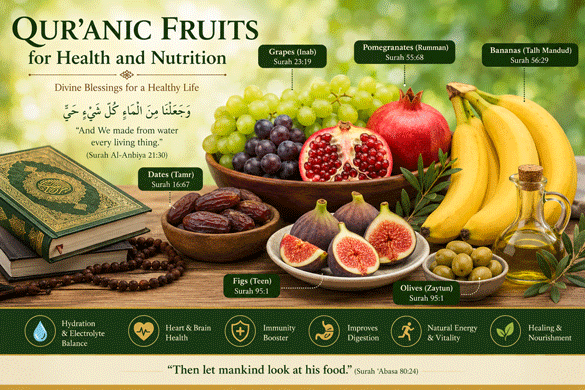
The Qur’an presents fruits not merely as edible items, but as signs of Allah’s mercy, nourishment, healing, and reflection. Dates, grapes, pomegranates, olives, figs, and bananas are repeatedly referenced in the Qur’anic worldview as gifts beneficial for both body and soul. Modern nutritional science today increasingly confirms their remarkable health value, especially during hot weather.
The Qur’an invites human beings to reflect consciously upon what they consume:
“Then let mankind look at his food.”
— Surah ‘Abasa (80:24)
This verse encourages mindful eating, gratitude, and awareness of natural nourishment. Islamic dietary wisdom emphasizes moderation, simplicity, balance, and wholesome foods — principles now strongly endorsed by modern nutritionists.
Dates (Tamr / Nakhl): Energy and Mineral Support
Allah says:
“And from the fruits of palm trees and grapevines you derive wholesome provision.”
— Surah al-Nahl (16:67)
Dates are rich in natural sugars, potassium, magnesium, iron, fiber, and antioxidants. Contrary to common assumptions, dates are not naturally “cooling” foods in themselves. Scientifically, they primarily provide quick energy, electrolyte balance, and metabolic support, helping the body remain resilient during excessive heat.
In summer, dates help restore energy lost through sweating and fatigue while supporting hydration when consumed correctly with fluids.
Healthy Ways to Consume Dates
Eat 2–3 soaked dates in the morning with water
Consume dates with milk for sustained energy
Blend dates with yogurt and banana for smoothies
Add chopped dates to oatmeal or salads
Summer Recipes
1. Soaked Dates Water
Soak 2 dates overnight in one glass of water. Drink the water and eat the softened dates in the morning. This supports hydration and digestion.
2. Cooling Date Milk
Blend 2 soaked dates with cold milk and a pinch of cardamom. It acts as a natural sweetener and energy drink.
3. Summer Smoothie
Blend dates with curd, banana, and soaked chia seeds for a cooling and gut-friendly smoothie.
Important Precautions
Limit intake to about 2 dates daily in summer
Prefer soaked dates or consume them with fluids
Avoid heavy late-night consumption
Excess dry dates without water may cause constipation or body heat
The Prophet Muhammad ﷺ often broke his fast with dates and water, emphasizing their restorative qualities.
Grapes (Inab): Hydration and Cardiovascular Protection
The Qur’an states:
“We brought forth for you gardens of date palms and grapes.”
— Surah al-Mu’minun (23:19)
Grapes are among the most nutritionally valuable summer fruits. Rich in water content, antioxidants, and electrolytes, they help maintain hydration and support cardiovascular health.
One of the key compounds found in grapes is resveratrol, a powerful antioxidant known to improve blood vessel dilation and circulation through nitric oxide enhancement. Grapes also protect the skin from oxidative and ultraviolet damage during extreme summer heat.
Summer Benefits of Grapes
Prevent dehydration
Reduce fatigue and heat stress
Support heart and blood vessel health
Provide anti-aging antioxidant protection
Healthy Ways to Consume Grapes
Eat fresh chilled grapes during daytime heat
Freeze grapes as a natural summer snack
Prepare fresh grape juice without refined sugar
Add grapes to fruit salads
Summer Recipes
1. Grapes Summer Smoothie
Blend grapes with curd, chia seeds, and mint leaves for a cooling antioxidant-rich drink.
2. Grapes with Soaked Nuts
Combine grapes with soaked almonds or walnuts to balance glucose response and sustain energy.
Important Precautions
Excess consumption may cause sugar spikes or loose motions
Wash grapes thoroughly to remove pesticide residue
Ideal portion: approximately one cup daily
Pomegranates (Rumman): Cooling and Healing
Pomegranates are widely studied for their antioxidant, anti-inflammatory, and cardiovascular benefits. Their cooling and hydrating nature makes them especially beneficial in summer.
Allah says:
“In both are fruit and palm trees and pomegranates.”
— Surah al-Rahman (55:68)
Pomegranates contain vitamin C, polyphenols, and punicalagin, a compound associated with cognitive and brain health. They are also believed to support liver protection and reduce inflammatory stress.
Summer Benefits
Cool the body naturally
Improve blood circulation
Strengthen immunity
Support liver and gut health
Healthy Ways to Consume Pomegranates
Drink fresh pomegranate juice without added sugar
Add seeds to yogurt or salads
Eat fresh seeds as a summer snack
Summer Recipes
1. Pomegranate Detox Water
Soak pomegranate seeds with mint and lemon in water overnight for a cooling hydration drink.
2. Pomegranate Summer Salad
Mix seeds with cucumber, mint, and curd for a gut-friendly cooling salad.
Important Precautions
Excess juice may increase sugar load
Whole fruit is preferable for fiber
Moderate intake is advised for diabetics
Olives (Zaytun): The Blessed Fruit
Olives and olive oil are among the most emphasized foods in both Islamic tradition and Mediterranean nutrition science. Rich in healthy fats and bioactive compounds, olives protect the heart, liver, skin, and digestive system.
The Qur’an declares:
“By the fig and the olive.”
— Surah al-Tin (95:1)
Modern studies show that extra virgin olive oil improves lipid profiles and reduces inflammation.
Summer Benefits
Protect skin from dryness and heat damage
Support cardiovascular health
Improve digestion and liver function
Healthy Ways to Consume Olives
Use extra virgin olive oil in salads
Consume one teaspoon daily in the morning
Eat olives alongside light summer meals
Summer Recipes
1. Summer Olive Salad
Mix olives with cucumber, tomato, and black chickpeas.
2. Olive Oil Lemon Drink
Add one teaspoon extra virgin olive oil and lemon to warm water for digestion support.
Important Precautions
Olive oil is calorie-dense; avoid excess intake
Limit to 1–2 teaspoons daily
Choose extra virgin olive oil for maximum benefits
The Prophet ﷺ said:
“Eat olive oil and apply it, for it comes from a blessed tree.”
Figs (Teen): Gentle Digestive Nutrition
Figs are rich in fiber, calcium, potassium, and antioxidants. They are especially useful in summer for preventing constipation caused by dehydration.
The Qur’an swears:
“By the fig and the olive.”
— Surah al-Tin (95:1)
Summer Benefits
Improve digestion
Support hydration balance
Reduce inflammation
Provide gentle natural laxative effects
Healthy Ways to Consume Figs
Eat fresh figs in the morning
Soak dried figs overnight before eating
Blend figs into smoothies
Pair with yogurt for cooling nourishment
Summer Recipes
1. Soaked Figs
Soak 2–3 dried figs overnight. Eat them in the morning and drink the water for digestive support.
2. Fig Summer Smoothie
Blend soaked figs with almond milk, cardamom, and chia seeds for a gut-friendly energy drink.
Important Precautions
Excess intake may increase sugar load
Dried figs are calorie-dense
Limit intake to 2–3 figs daily
Bananas (Talh Mandud): Electrolyte and Energy Support
Bananas are nutrient-dense fruits rich in potassium, natural carbohydrates, and electrolytes. They are especially useful during summer for preventing weakness, muscle cramps, and heat exhaustion.
Qur’anic commentators interpret talh mandud in Surah al-Waqi‘ah as banana trees:
“And clustered banana trees.”
— Surah al-Waqi‘ah (56:29)
Summer Benefits
Maintain electrolyte balance
Improve gut health
Provide sustained energy
Reduce fatigue after physical activity
Healthy Ways to Consume Bananas
Eat bananas with breakfast
Blend with milk for energy shakes
Pair with dates for natural sweetness
Summer Recipes
1. Banana Summer Bowl
Combine banana slices with yogurt, soaked nuts, and seeds.
2. Frozen Banana Snack
Freeze banana slices as a natural alternative to ice cream.
Important Precautions
Excess intake may increase blood sugar
People with severe kidney disease should avoid excess potassium
Ideal portion: one medium banana daily
Water: The Qur’anic Foundation of Life
The Qur’an reminds humanity:
“And We made from water every living thing.”
— Surah al-Anbiya (21:30)
Most Qur’anic fruits contain high water content and naturally support hydration, mineral balance, digestion, and cooling during extreme heat.
Healthy summer habits include:
Increasing water intake alongside fruits
Avoiding excessive sugary soft drinks
Preferring fresh juices over packaged beverages
In an age dominated by processed foods and artificial diets, the Qur’an’s emphasis on natural fruits remains profoundly relevant. Dates, grapes, pomegranates, olives, figs, and bananas are not merely delicious foods; they are divine signs (ayat) of nourishment, healing, and balance.
Especially during summer, these fruits help maintain hydration, immunity, digestion, cardiovascular health, and energy levels. Their benefits increase when consumed naturally, moderately, and mindfully according to both modern nutritional science and Prophetic guidance.
By reviving the culture of Qur’anic nutrition, humanity can rediscover a healthier and spiritually enriched relationship with food — one rooted in gratitude toward Allah and harmony with nature.
…
Author of this article is a Delhi-based Dietitian, M.Sc. in Nutrition & Dietetics with a specialisation in Clinical Nutrition.
URL: https://newageislam.com/islam-science/quranic-fruits-health-nutrition-prophetic-guidance-/d/139915
New Age Islam, Islam Online, Islamic Website, African Muslim News, Arab World News, South Asia News, Indian Muslim News, World Muslim News, Women in Islam, Islamic Feminism, Arab Women, Women In Arab, Islamophobia in America, Muslim Women in West, Islam Women and Feminism