
Elements of Unity and Harmony in Urdu and Hindi Literature

By Dr. Zafar Darik Qasmi, New Age Islam
13 December 2025
Abstract:
The Indian subcontinent has always been home to many religions, languages, and cultures. Despite this diversity, people have long lived together with respect. Urdu and Hindi literature played a strong role in building unity and understanding among these different communities. Poets such as Ghalib, Iqbal, Kabir, Rahim, Waris Shah, and Bulleh Shah taught lessons of love, patience, tolerance, and respect for every faith. Their poetry helped reduce social and religious distance.
Sufi teachings and the Bhakti movement also encouraged harmony by focusing on humanity instead of outer identity. In khanqahs and ashrams, people from various religions gathered, shared ideas, and learnt spiritual values. These interactions created a common cultural foundation.
During the freedom struggle, literature motivated people to stand together for justice and independence. Even today, Urdu and Hindi writings remind us that real unity grows from love, good character, and service to others. This literary tradition continues to guide society towards peace and mutual respect.
Main Points:
1. Urdu and Hindi poets promoted unity by stressing shared human values above religious or cultural differences.
2. Ghalib and Iqbal inspired harmony, patience, self-respect, and national purpose across diverse communities.
3. Hindi poets highlighted equality, justice, and love to reduce social and religious divisions.
4. Kabir rejected caste and religious barriers, teaching that true humanity is based on love and truth.
5. Poetry unified people during freedom movements and still guides society towards peace and mutual respect
—
The civilisation of the Indian subcontinent has always shown that different religions, languages, and cultures can live together peacefully. This diversity has helped create a society built on respect, shared traditions, and spiritual understanding. In such an environment, literature has played a major role in spreading humanity, brotherhood, and goodwill among people of different faiths.
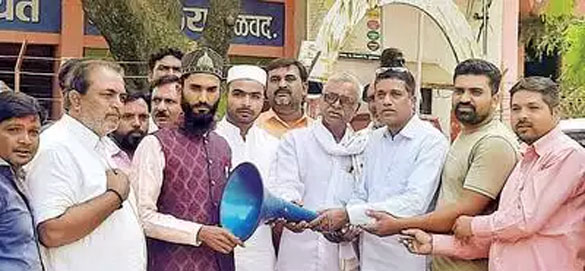
The literature of Urdu, Hindi, Persian, Punjabi, and Sanskrit carries strong messages of tolerance, love, justice, and moral values. Poets and writers used their work to connect people instead of just expressing their thoughts. Poets like Kabir, Rahim, Rumi, Waris Shah, Bulleh Shah, Ghalib, and Iqbal focused on human values, patience, kindness, and respect for all religions. Their poetry encouraged people to look beyond differences and come closer to each other.
Sufi teachings and the Bhakti movement added a deep spiritual understanding. In khanqahs and ashrams, Hindus, Muslims, Sikhs, and others sat together to learn about spirituality, ethics, and self-improvement. These meetings helped build a shared culture that still shapes the identity of the region.
Because of this, the literature of the subcontinent is not just creative writing; it is a valuable intellectual tradition that promotes harmony, social unity, and shared cultural values. It reminds us that real unity is possible when love, respect, and humanity guide our actions.
This article explains how Urdu and Hindi writers contributed to peace and social harmony, and how they supported the long tradition of unity in the region.
It is a fact that India is a multi-religious country where many languages, faiths, and cultures live together. In such a diverse society, maintaining unity and harmony is extremely important. Urdu and Hindi literature and poetry have always played a significant role in strengthening these values. Literature is not only a form of creative expression; it is also a powerful means of spreading love, harmony, human welfare, and brotherhood.
Throughout history, even during times of communal tension and social division, poetry and literature helped bring people together. Urdu and Hindi writers raised their voice against religious prejudice, communalism, and social injustice. Through their writings, they highlighted the importance of humanity, tolerance, mutual respect, and moral values.
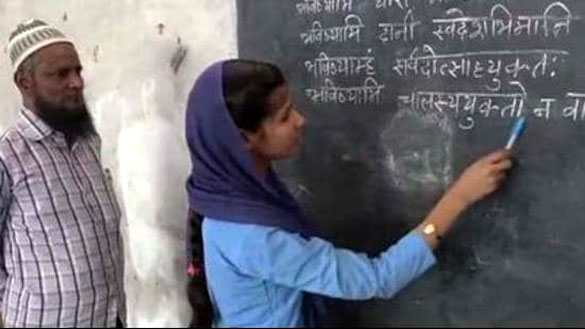
Mirza Ghalib emphasised human emotions, ethics, and social harmony in his poetry. His verses inspire love, patience, and understanding, encouraging people to think within a shared cultural and spiritual space.
Allama Iqbal also played a major role in promoting national unity and awakening in the subcontinent. He placed humanity, self-respect, brotherhood, and mutual respect at the centre of his thought. His poetry brought Hindus, Muslims, and other communities closer together. Iqbal believed that no nation can progress without unity, purpose, and collective spirit. His famous lines express this vision clearly:
Mazhab nahīn sikhātā āpas mein bair rakhnā
Hindī hain ham, watan hai Hindustān hamārā
In Hindi literature, writers and poets such as Rajeshwar Prasad, Suraj Chandra, and Ram Charan Das promoted human love, social justice, and equality. Instead of dividing people on the basis of language or religion, they stressed shared human values, which helped different communities live in harmony.
Kabir’s couplets are an important part of India’s social and spiritual heritage. He called people to rise above religious, caste, and social divisions. He taught that the real foundation of life is love, tolerance, and kindness—not rituals or identity. His verses reject all forms of discrimination and remind us that all humans are equal and come from the same Creator. Kabir’s teachings remain a strong source of national unity and interfaith respect.
Along with poets, the spiritual teachings of Sufi saints also helped communities come closer. In their gatherings and literary circles, people of different religions learnt to respect each other’s beliefs and cultures. Poetry acted as a bridge that connected hearts.
Urdu and Hindi literature also strengthened unity during the freedom movements. In the Revolt of 1857, the freedom struggle (1905–1947), and non-violent movements, poetry inspired people to rise above religious and social differences and unite for the common goals of freedom and human rights. Writers promoted sacrifice, love, and national unity, which created a shared spirit among the masses.
This literature also encouraged cultural and linguistic harmony. People speaking different languages found common emotions and experiences through each other’s poetry, songs, and stories. Music, ghazal, and Hindi prose helped spread moral values and empathy, which are essential for a peaceful society.
Even in the modern age, Urdu and Hindi poetry teach us that unity cannot be achieved only through laws or political decisions. It also requires love, tolerance, and a sincere desire to serve others. Poets and writers continue to inspire people towards peace, brotherhood, and collective wellbeing.
In conclusion, the role of Urdu and Hindi poets is not limited to literary creativity. Their work has actively contributed to unity, brotherhood, compassion, and the promotion of shared human values. Their writings still guide us in building a harmonious society and support the vision of national and global peace.
Through this literature, we learn that unity is not just an idea—it is a practical effort supported by emotional understanding. Poets teach us that with love, respect, service, and moral principles, a strong, united, and peaceful society can be created.
—-
Dr. Zafar Darik Qasmi is an author and a New Age Islam Regular Columnist.
URL: https://www.newageislam.com/islam-pluralism/unity-harmony-urdu-hindi-/d/137994
New Age Islam, Islam Online, Islamic Website, African Muslim News, Arab World News, South Asia News, Indian Muslim News, World Muslim News, Women in Islam, Islamic Feminism, Arab Women, Women In Arab, Islamophobia in America, Muslim Women in West, Islam Women and Feminism