
Fear or Faith? How The 'Threat of Female Sexuality' Was Invented and Why Islam Rejects It
By New Age Islam Special Correspondent
16 January 2026
In many Muslim societies, female sexuality is often spoken about in tones of fear and anxiety. Women’s bodies are described as dangerous, their voices as tempting, and their presence in public spaces as a source of moral chaos. This fear is commonly justified in religious language, giving the impression that Islam itself views women as a threat to social order. Yet this perception does not come from the Qur’an, the Prophet Muhammad’s life, or classical Islamic scholarship. It emerges from patriarchal culture, misread texts, and male anxiety, later sanctified as religion.
Islam does not deny desire, nor does it single out women as moral hazards. Instead, it treats sexuality – male and female – as a shared human reality, regulated by ethics, accountability, and compassion. This article explains how the fear-based narrative developed, why it is not Islamic, and how classical scholars understood female sexuality and women’s participation in society.
Major points:
· Islamic scholarship never denied female desire. Instead, it regulated desire ethically.
· Many restrictions imposed on women – forced silence, honour policing, and victim blaming – have no Qur’anic basis.
· Women in Islam are mothers, thinkers, workers, leaders, and believers. They are not walking temptations.
· The Qur’an presents women as partners in moral struggle, not objects of suspicion.
· Islam does not ask women to disappear to preserve morality. It asks everyone to act responsibly.
…
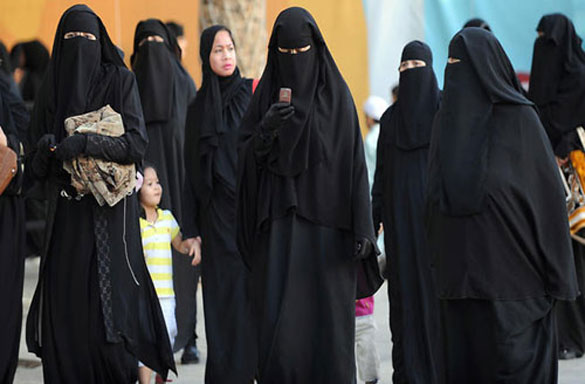
Across many Muslim societies, a powerful belief persists: that female sexuality is dangerous, disruptive, and needs strict control. From dress codes and segregation to restrictions on movement, education, and public presence, this belief shapes laws, customs, and everyday attitudes. It is often justified in the name of Islam. Women’s bodies, voices, and choices are framed as fitna – temptation that threatens social order and male morality.
But is this fear truly Islamic?
When examined carefully, the idea that Islam views female sexuality as a threat turns out to be a cultural anxiety masquerading as religious doctrine. The Qur’an does not depict women as moral hazards. The Prophet Muhammad did not treat women as sources of chaos. Classical Islamic ethics addressed desire, male and female, as a shared human reality, to be regulated with responsibility, not repression.
This essay first lays out the arguments of those who claim Islam must control female sexuality to protect society. It then refutes those arguments using the Qur’an, Hadith, and Prophetic practice, showing that Islam recognises desire, affirms women’s dignity, and encourages women’s full moral participation in society.
The Argument That Sees Female Sexuality as a Threat
Those who argue that Islam views female sexuality as dangerous usually begin with a simple claim: women’s sexual appeal is powerful, men are weak, and social order requires controlling women rather than disciplining men. From this claim flows a series of practices: strict veiling rules, segregation, surveillance of women’s behaviour, and moral policing.
“Women Are Fitnah”
The most common word used to justify this fear is fitnah. It is often translated as “temptation” and applied almost exclusively to women. The argument goes like this: women’s beauty and sexuality distract men from worship, provoke desire, and lead to moral collapse.
A hadith often quoted says:
مَا تَرَكْتُ بَعْدِي فِتْنَةً أَضَرَّ عَلَى الرِّجَالِ مِنَ النِّسَاءِ
“I have not left after me a trial more harmful to men than women.”
Read in isolation, this statement is used to argue that women are inherently dangerous and must be restricted for society’s sake.
“Men Are Naturally Weak”
Another argument claims that men cannot control their desires, so women must be controlled instead. Female sexuality becomes the problem, not male responsibility. In this framework, modesty is demanded almost entirely of women, while men’s gaze and behaviour are treated as inevitable.
“Public Women Cause Moral Chaos”
Women’s presence in public life, workplaces, politics, education, and media is framed as a threat to morality. Mixing of genders is seen as inherently sinful. Female participation is tolerated only if heavily regulated.
These arguments are widespread. But they rest on selective readings and deep misinterpretations.
What the Qur’an Actually Says About Desire and Responsibility
The Qur’an does not single out women as the source of temptation. Instead, it treats desire as a shared human reality and assigns moral responsibility equally to men and women.
The most decisive verse on modesty begins not with women but with men:
قُل لِّلْمُؤْمِنِينَ يَغُضُّوا مِنْ أَبْصَارِهِمْ وَيَحْفَظُوا فُرُوجَهُمْ
“Tell the believing men to lower their gaze and guard their chastity.”
(Qur’an 24:30)
Only after addressing men does the Qur’an speak to women:
وَقُل لِّلْمُؤْمِنَاتِ يَغْضُضْنَ مِنْ أَبْصَارِهِنَّ وَيَحْفَظْنَ فُرُوجَهُنَّ
“And tell the believing women to lower their gaze and guard their chastity.”
(Qur’an 24:31)
This order matters. Islam does not locate moral danger in women’s bodies. It locates responsibility in human self-discipline, first male, then female.
If female sexuality were the real threat, the Qur’an would not begin with male accountability.
Rereading the “Women as Fitnah” Hadith
The Hadith often quoted about women being a fitnah for men is not a declaration of female inferiority. Classical scholars understood fitnah to mean 'test', not 'evil'. Wealth, power, children, and authority are also described as fitnah in the Qur’an:
إِنَّمَا أَمْوَالُكُمْ وَأَوْلَادُكُمْ فِتْنَةٌ
“Your wealth and your children are only a test.”
(Qur’an 64:15)
No one argues that children are dangerous beings. A fitnah is a moral challenge, not a threat to be eliminated. Women, like wealth, test men’s ethics. Do they behave with respect, restraint, and justice, or with exploitation?
The test is about men’s conduct, not women’s existence.
Islam recognises female sexuality; it does not deny it.
One of the most important facts often ignored is that Islam explicitly acknowledges female sexual desire. Unlike many cultures that deny women’s sexuality, Islamic texts speak openly about it.
The Qur’an describes marriage as a space of mutual pleasure:
هُنَّ لِبَاسٌ لَّكُمْ وَأَنتُمْ لِبَاسٌ لَّهُنَّ
“They are a garment for you, and you are a garment for them.”
(Qur’an 2:187)
This metaphor is intimate and equal. Desire is mutual. Comfort and closeness go both ways.
Another verse states:
وَمِنْ آيَاتِهِ أَنْ خَلَقَ لَكُم مِّنْ أَنفُسِكُمْ أَزْوَاجًا لِّتَسْكُنُوا إِلَيْهَا وَجَعَلَ بَيْنَكُم مَّوَدَّةً وَرَحْمَةً
“Among His signs is that He created for you spouses so that you may find tranquillity in them, and He placed between you affection and mercy.”
(Qur’an 30:21)
Sexuality here is not dangerous. It is divinely intended, wrapped in affection and mercy.
The Prophet Muhammad Affirmed Women’s Sexual Rights
The Prophet Muhammad did not shy away from women’s sexuality. He acknowledged it, respected it, and regulated it ethically.
He taught that women have the right to sexual fulfilment within marriage. Classical jurists, drawing on Prophetic practice, ruled that a husband who neglects his wife sexually commits injustice.
In one narration, the Prophet criticised men who fast and pray excessively while neglecting their wives, saying that the body and the spouse have rights.
This approach does not fear female desire. It takes it seriously.
Female Presence in Public Life Was Normal in Early Islam
If Islam viewed women as sexual threats, the Prophet would have confined them to private spaces. He did not.
Women prayed in the mosque. They asked questions publicly. They debated legal matters. They travelled. They participated in social life.
The Prophet explicitly said:
لَا تَمْنَعُوا إِمَاءَ اللَّهِ مَسَاجِدَ اللَّهِ
“Do not prevent the female servants of God from the mosques of God.”
Women attended sermons and even corrected male companions publicly. No moral panic followed.
The Real Fear Is Not Sexuality; It Is Female Agency
What many societies fear is not female sexuality itself, but female autonomy. A woman who owns her body, choices, and voice cannot be easily controlled.
Islam, however, did not come to erase women’s agency. It recognised women as moral actors responsible before God in the same way as men.
The Qur’an states:
إِنَّ الْمُسْلِمِينَ وَالْمُسْلِمَاتِ… أَعَدَّ اللَّهُ لَهُم مَّغْفِرَةً وَأَجْرًا عَظِيمًا
“Indeed, Muslim men and Muslim women… God has prepared for them forgiveness and a great reward.”
(Qur’an 33:35)
The moral address is equal. Desire does not cancel dignity.
How Culture Turned Regulation into Repression
Islam regulates sexuality ethically: consent, responsibility, modesty, and boundaries. Culture often converts regulation into repression, especially for women.
Practices such as honour policing, silencing women, or blaming victims of abuse have no Qur’anic basis. They arise from patriarchal anxiety, not Islamic ethics.
The Qur’an condemns those who falsely accuse women:
إِنَّ الَّذِينَ يَرْمُونَ الْمُحْصَنَاتِ… لَهُمْ عَذَابٌ عَظِيمٌ
“Those who accuse chaste women… for them is a great punishment.”
(Qur’an 24:23)
Islam protects women’s honour; it does not weaponize it against them.
Modesty Is Shared Responsibility, Not Female Burden
Islamic modesty (ḥayāʾ) is an inner ethic, not a female dress code. It applies to speech, behaviour, and intention for men and women alike.
The Prophet said:
الْحَيَاءُ شُعْبَةٌ مِنَ الْإِيمَانِ
“Modesty is a branch of faith.”
He did not say it belongs only to women.
Islam Celebrates Womanhood; It Does Not Fear It
Women in Islam are mothers, thinkers, workers, leaders, and believers. They are not walking temptations.
The Qur’an presents women as partners in moral struggle, not objects of suspicion.
Islam does not ask women to disappear to preserve morality. It asks everyone to act responsibly.
Conclusion: From Fear to Faith
The idea that Islam views female sexuality as a threat is a misunderstanding rooted in fear, not scripture. The Qur’an regulates desire without demonising it. The Prophet affirmed women’s dignity without denying their humanity.
· Islam does not fear women.
· It fears injustice.
· It fears arrogance.
· It fears the loss of ethics.
Female sexuality is not the enemy of faith. Irresponsibility is.
When Islam is read honestly, it becomes clear: Islam celebrates womanhood, recognises desire, and demands ethics, not repression.
…
New Age Islam, Islam Online, Islamic Website, African Muslim News, Arab World News, South Asia News, Indian Muslim News, World Muslim News, Women in Islam, Islamic Feminism, Arab Women, Women In Arab, Islamophobia in America, Muslim Women in West, Islam Women and Feminism